On this page
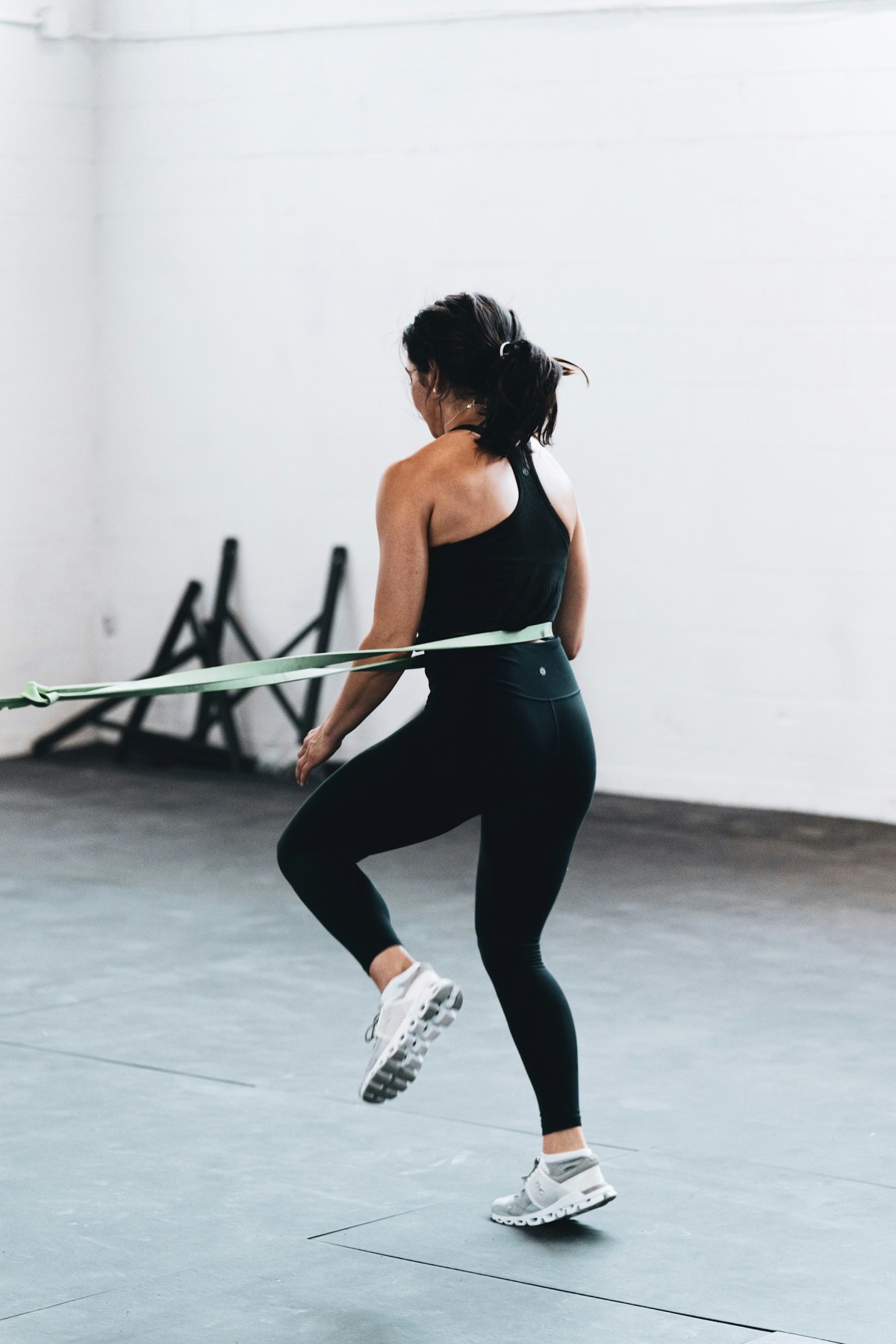
No machine at home, a hotel gym without one, or simply want a second angle? You can train the hip abductors very effectively with a band, a cable or your own bodyweight. Some of these exercises have stronger research behind them than the machine itself.
At a glance
| Exercise | Equipment | Loading | Best for |
|---|---|---|---|
| Side-lying hip abduction | No equipment | Low to moderate | Gluteus medius focus, beginners |
| Lateral band walk | Mini band | Low to moderate | Warm-ups, athletes |
| Seated banded abduction | Mini band | Low to moderate | Closest home copy of the machine |
| Standing cable abduction | Cable and ankle strap | Moderate to high | Progressive overload, single-leg work |
| Standing banded abduction | Long band | Low to moderate | Travel, standing balance |
| Clamshell | Mini band optional | Low | Rehab-style, early stages |
| Copenhagen adduction | Bench | High | Inner thigh, groin resilience |
Bodyweight
Side-lying hip abduction
Lie on your side with the bottom knee bent for balance and the top leg straight in line with your body. Raise the top leg to about 30 to 40 degrees, pause, and lower slowly.
- Keep the top leg slightly behind your body, never drifting forward
- Toes point forward, not up
- Do not roll the hips back to lift higher
EvidenceIn DiStefano 2009, side-lying hip abduction produced the highest gluteus medius activity of the 12 exercises tested. Add an ankle weight or band to progress.
Clamshell
Lie on your side with hips and knees bent, feet together. Keep the feet touching and lift the top knee, then lower slowly.
- Do not let the pelvis roll back
- Small range, slow tempo
- Add a band above the knees to progress
EvidenceUseful early in rehab and for learning to feel the glutes. Reviews disagree on how strongly it targets the gluteus medius relative to the TFL compared with side-lying abduction.
Bands
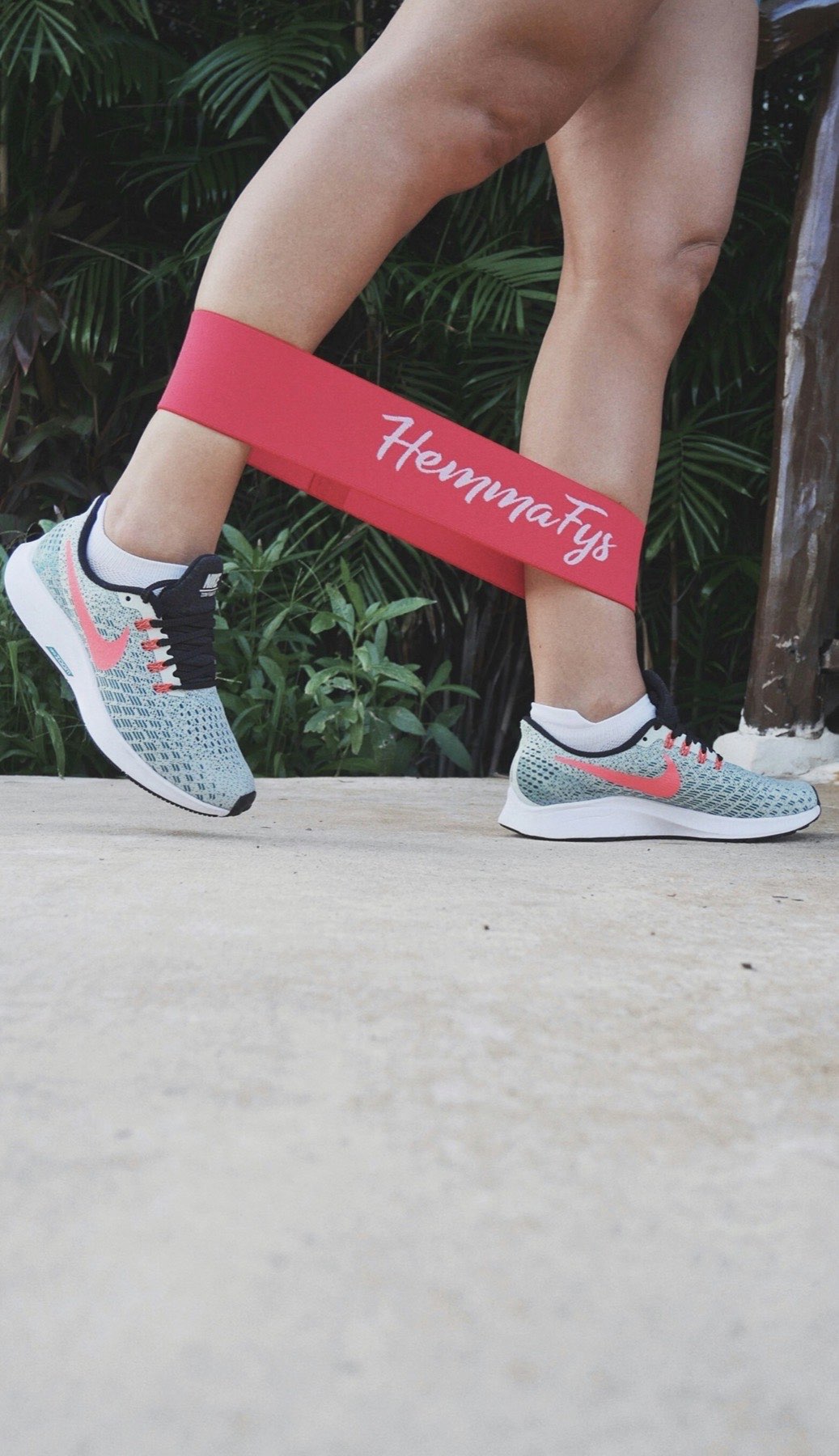
Lateral band walk
Loop a mini band just above the knees or around the ankles. Sit into a quarter squat and step sideways, keeping tension on the band the whole time.
- Lead with the knee, keep toes forward
- Do not let the feet snap together
- 10 to 15 steps each way, 2 to 3 rounds
EvidenceLateral band walks produced high gluteus medius activity in DiStefano 2009, close to the single-leg exercises.
Seated banded abduction
Sit on a bench or box with a band above the knees. Press the knees apart, pause, and return slowly. Lean forward slightly for a glute-biased version, just as on the machine.
- This is the closest home copy of the machine
- Use a heavy band and high reps
- Pause at the widest point
Standing banded abduction
Stand on one leg holding a support, with a long band around both ankles. Sweep the free leg out to the side and back with control.
- Stand tall, no leaning away
- Small range is fine
- Trains the standing hip too
Cables
Standing cable abduction
Attach an ankle strap to a low pulley. Stand side-on with the strapped leg furthest from the machine, and sweep it out and across against the cable.
- Hold the machine for balance
- Lead with the heel, toes forward
- Slow return
EvidenceWe found no EMG study specific to this exercise. Its strength is easy, precise loading one leg at a time.
Inner-thigh alternatives
Copenhagen adduction
Side plank with your top leg resting on a bench (knee on the bench for the short-lever version, ankle for the long-lever version). Lift the bottom leg up to meet the bench and lower with control.
- Start with the short-lever version
- Low reps: 3 to 10 per side
- Progress over weeks, not days
EvidenceThe exercise used in the Harøy 2019 trial, where the program was associated with 41 percent lower odds of groin problems in semi-professional footballers.
Side-lying adduction (lying on your side, lifting the bottom leg) and sumo-stance squats are gentler options. In one study of bodybuilders, sumo-stance squats increased adductor longus activity on the way up.
A 15-minute home hip routine
| Exercise | Sets x reps | Rest |
|---|---|---|
| Lateral band walk | 2 x 12 steps each way | 30 s |
| Seated banded abduction | 3 x 20 | 45 s |
| Side-lying hip abduction | 2 x 15 per side | 30 s |
| Copenhagen adduction, short lever | 2 x 6-8 per side | 45 s |
When a machine is worth it
Bands are simple and effective, but they are hard to load progressively once you get strong: resistance changes with stretch and bands jump in big steps. A machine gives you exact, repeatable loading, small increments and a fixed path, which is why many home gyms add one. If you are weighing that up, start with our best home abductor machines.
Frequently asked questions
What can I do instead of the hip abductor machine?
Seated banded abduction is the closest copy. Side-lying hip abduction, lateral band walks and standing cable abduction are excellent alternatives.
Is standing hip abduction as good as the machine?
It trains the same muscles at a different hip angle and adds a balance demand. It is harder to load heavily, so many people use both.
Are hip abduction bands effective?
Yes, especially for beginners and warm-ups. They become harder to progress as you get strong, which is where cables or a machine help.
Sources
- DiStefano LJ et al. Gluteal muscle activation during common therapeutic exercises. J Orthop Sports Phys Ther. 2009;39(7):532-540. pubmed.ncbi.nlm.nih.gov
- Harøy J et al. The Adductor Strengthening Programme prevents groin problems among male football players: a cluster-randomised controlled trial. Br J Sports Med. 2019;53(3):145-152. researchprofiles.ku.dk
- Serner A et al. EMG evaluation of hip adduction exercises for soccer players. Br J Sports Med. 2014;48(14):1108-1114. bjsm.bmj.com
- Coratella G et al. The effects of stance width and toe orientation on muscle activation in the squat. Int J Environ Res Public Health. 2021. www.ncbi.nlm.nih.gov